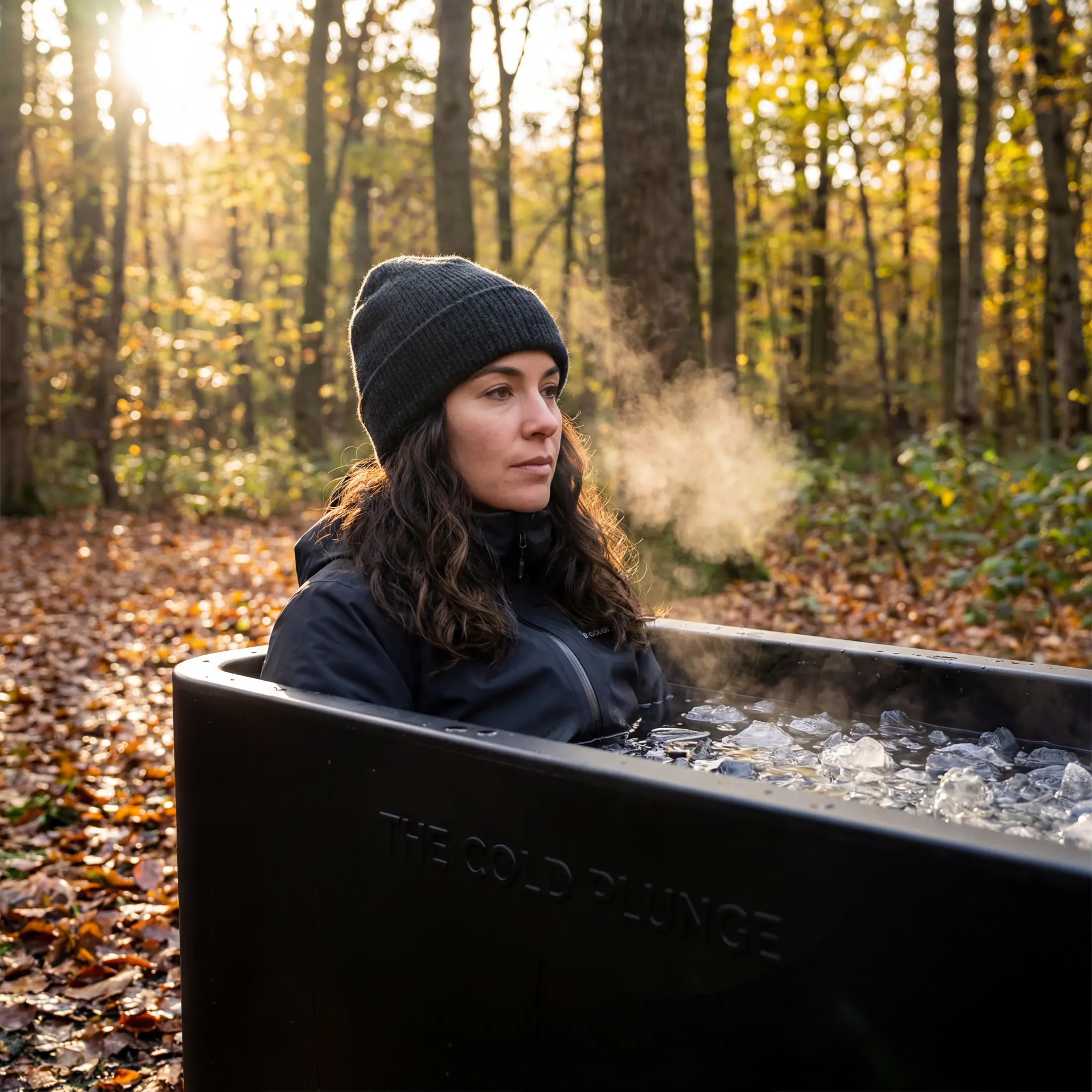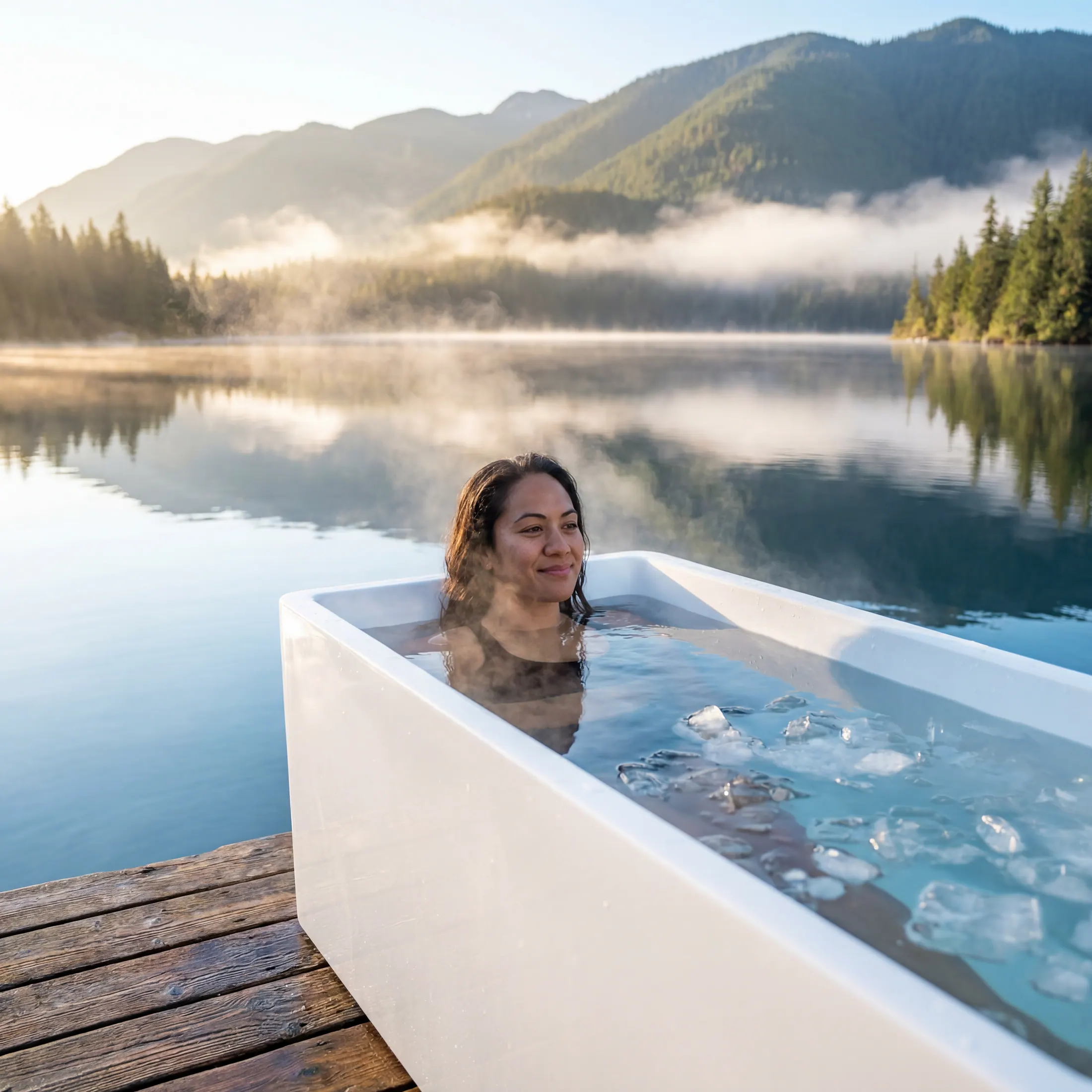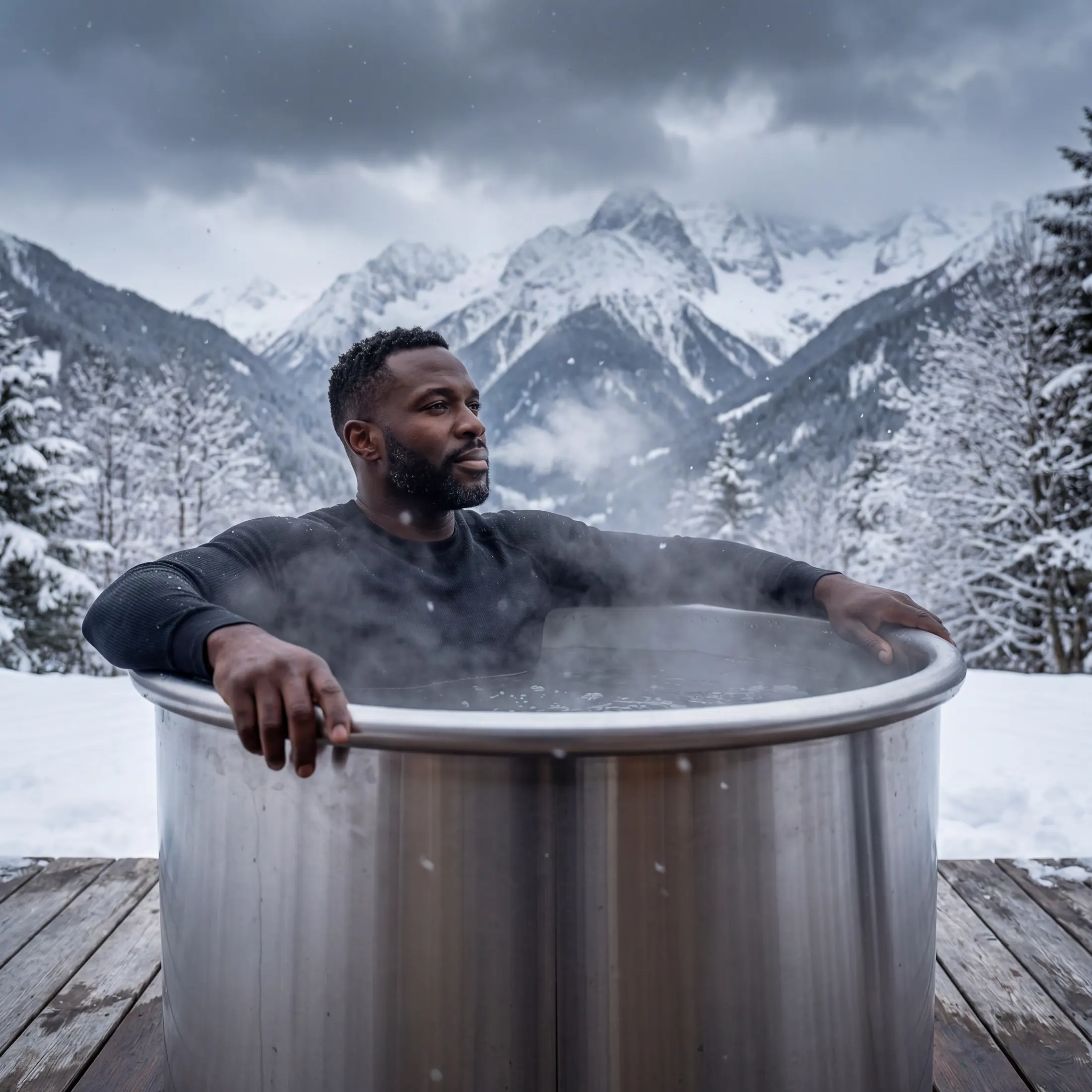

Cold Bathing and Sleep Quality - Can You Bathe Your Way to Better Sleep?
Sleep is probably the most important health factor we have, and yet a large part of the population suffers from sleep problems. Cold bathing is showing up more and more often in conversations about sleep optimization - but on what grounds, and is there substance behind the claim?
The physiology of sleep and temperature
Sleep is closely tied to the body's core temperature. Normally, core temperature drops by one to two degrees in the evening as part of the circadian rhythm - that is one of the signals that prepares the body for sleep. Slightly cool bedrooms, around 18-19 degrees Celsius, are well known to produce deeper sleep for exactly that reason.
How cold bathing can support sleep
The theories about why cold bathing can improve sleep revolve around temperature. A cold bath in the afternoon or early evening can help lower core temperature and support the body's natural winding down. In addition, the stress-reducing effect of a cold bath - the parasympathetic activation that follows - can contribute to a calmer nervous system before night.
Timing is crucial
There is an important nuance: immediately after a cold bath, the sympathetic nervous system is activated and adrenaline levels rise. That is the opposite of what you want right before bed. Bathe cold too close to bedtime and you risk lying awake. A good rule of thumb for most people is to leave at least 2-3 hours between the cold bath and the time you want to sleep.
Research on cold bathing and sleep
Direct research specifically on cold bathing and sleep quality is limited. There are more data on cold and contrast baths in sport, where improved sleep is reported among athletes who use cold baths as a recovery tool. Observational studies from cold bathing communities show similar patterns, but controlled studies are still largely lacking.