Ice Baths and Recovery After Exercise – What Does the Research Say?
In elite sports, ice baths after training are almost as standard as stretching. Athletes around the world submerge themselves in ice-cold water immediately after hard sessions – not because it feels good, but because the body recovers faster. But what actually happens physiologically, and what does the research really say?
What the Body Does When the Cold Takes Over
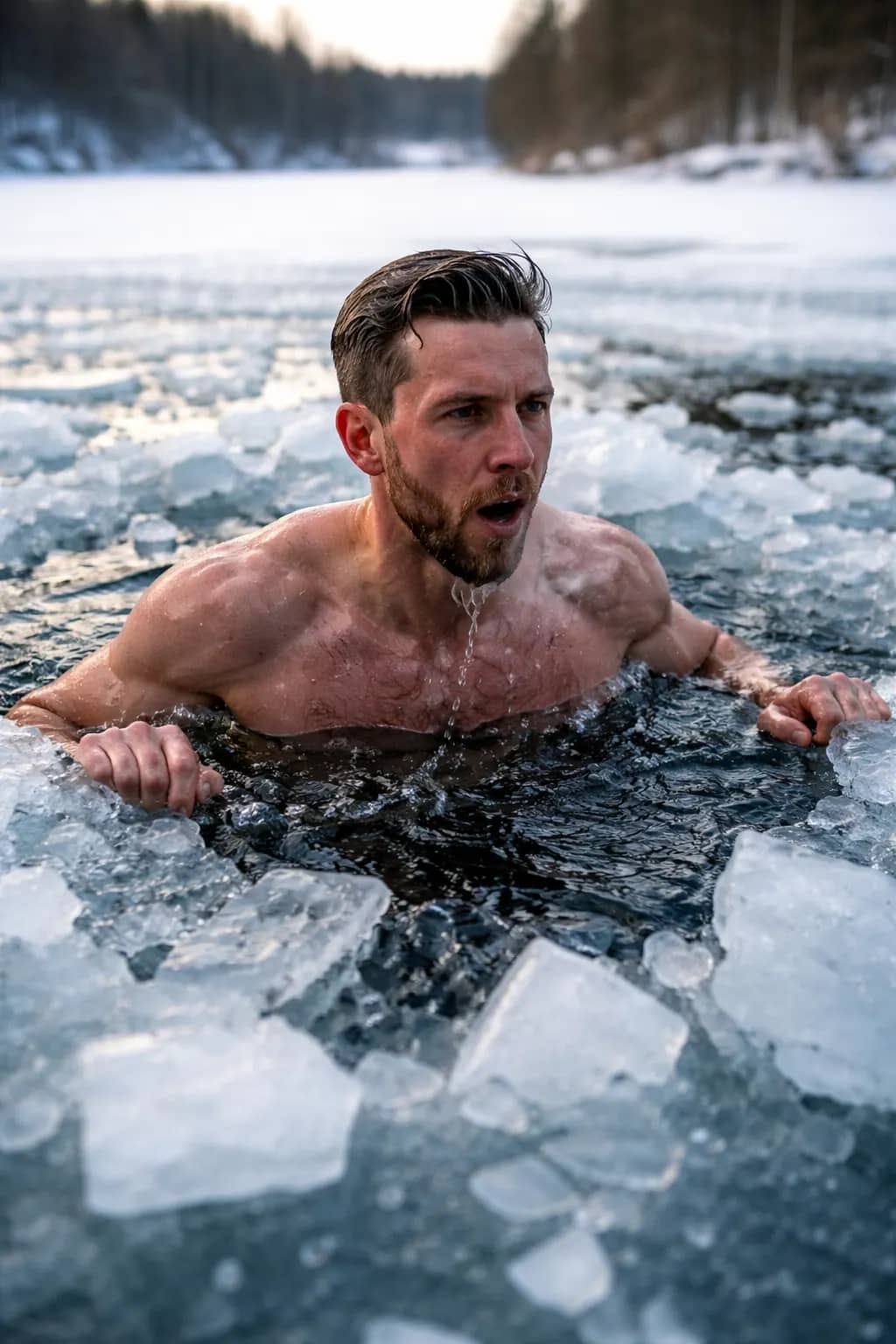
When you lower yourself into water around 10–15 degrees, the body reacts immediately. Blood vessels near the skin contract in a process called vasoconstriction, and blood is redirected toward the vital organs. At the same time, muscle temperature drops, which slows the enzymatic processes that drive inflammation and swelling.
This is precisely the mechanism that makes ice baths interesting from a recovery perspective. Microscopic damage to muscle fibres – which occurs during all intense training – generates an inflammatory response. The role of cold is not to eliminate that inflammation, but to dampen it enough for the body to recover faster before the next session.
What the Research Actually Shows
One of the most cited meta-analyses in this area was published in the British Journal of Sports Medicine by Hohenauer and colleagues in 2015. The analysis covered 36 studies and showed that cold water immersion significantly reduced perceived muscle soreness compared to passive rest – the effect was greatest at temperatures between 11 and 15 degrees and exposure times of 11 to 15 minutes.
Ihsan et al. published a study in the Journal of Physiology in 2016 that specifically measured biological markers of muscle damage. The results showed clear differences 24 to 48 hours after eccentric exercise, in favour of the group using cold water immersion.
This is not about placebo. These are measurable changes in the body.