The History of Cold Bathing - From Ancient Rome to Modern Biohacking
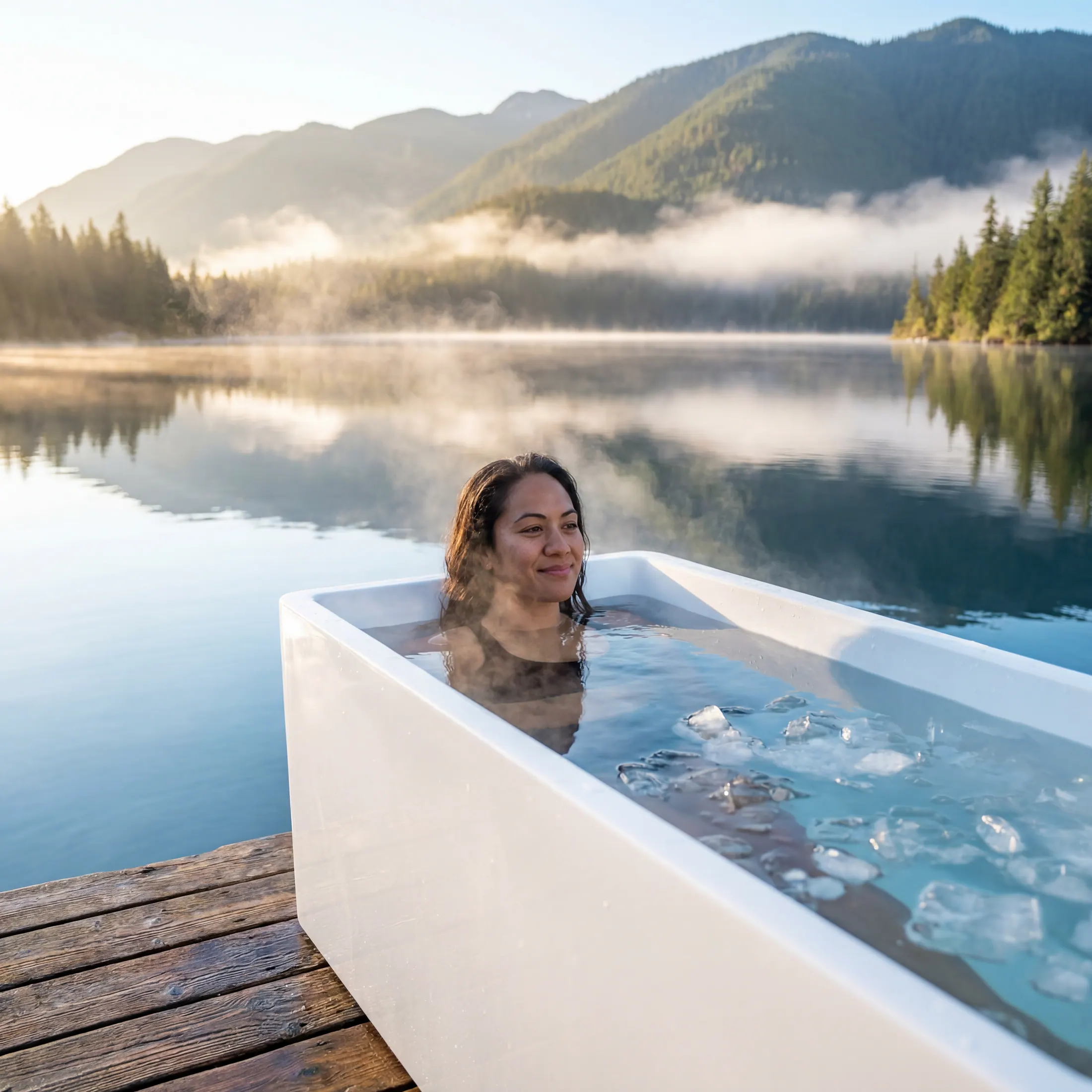
The trend of ice baths and cold bathing may seem new, driven by podcast hosts and Silicon Valley entrepreneurs. But people have immersed themselves in cold water intentionally for thousands of years. The motivation has shifted, but the fascination has endured.
Ancient Greece and Rome
The ancient Greeks were convinced of the healing power of cold water. Hippocrates, often called the father of medicine, recommended cold baths to treat fevers and reduce swelling. In Rome, hot baths (caldarium) were paired with cold ones (frigidarium) in the public thermae - and visits were as much social events as hygiene rituals.
The Vikings and the Nordic Heritage
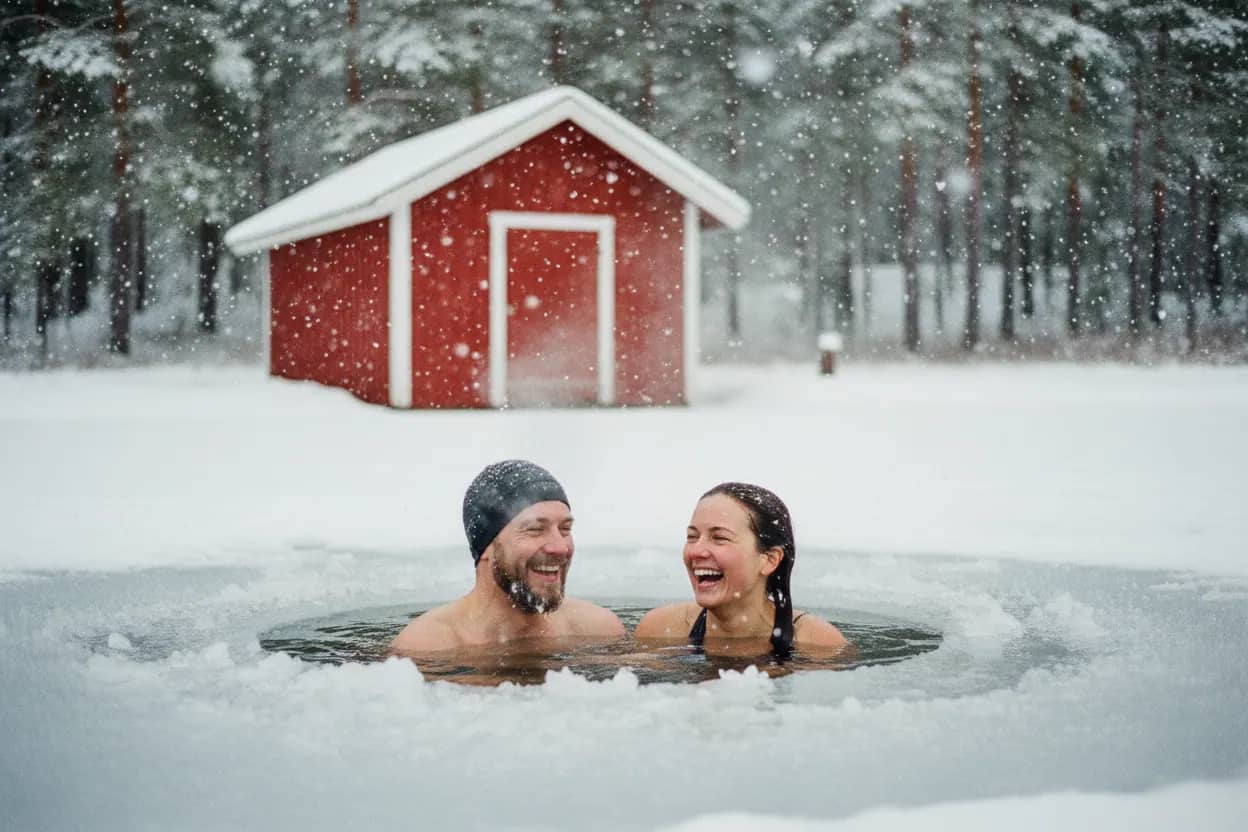
In Scandinavia, the combination of sauna and cold water - often a lake or stream - was both a practical necessity and a social institution. The Vikings bathed regularly, more than many of their European contemporaries, and cold water was a natural part of the cycle. The roots of Nordic cold bathing are genuinely old.
Victorian Cold-Bathing Houses
During the nineteenth century, public cold-bathing houses were built in Swedish and British cities as part of public education and hygiene movements. The idea was to make bathing accessible to the working class, and doctors promoted cold baths for everything from nervousness to rheumatism. Ribersborgs kallbadhus in Malmo opened in 1898 and remains one of the best-preserved examples in Sweden.
Sebastian Kneipp and the Popularization of Water Therapy
The Bavarian priest Sebastian Kneipp developed, in the late nineteenth century, a system of water treatments - Kneipp therapy - that combined hot and cold water with herbs and movement. His methods spread widely across Europe, and his name still survives in health terminology today.