
Article
How do ice baths affect inflammation in the body? We explain the difference between acute and chronic inflammation and what cold actually does to the healing process.
Inflammation has earned a bad reputation. It is associated with pain, swelling, and illness - and it certainly can be all of those things. But inflammation is also the body's primary healing mechanism. Without it, nothing heals. That makes the question of cold bathing and inflammation more complex than it is often presented.
Acute Versus Chronic Inflammation
Acute inflammation is short-lived and purposeful. If you bang your knee, it swells, becomes warm, and feels tender - that is the immune system sending resources to the site of injury. That is exactly what is supposed to happen. Chronic inflammation is something else: a low-grade, prolonged activation of the immune system that serves no clear purpose and is linked to cardiovascular disease, type 2 diabetes, depression, and a range of other conditions.
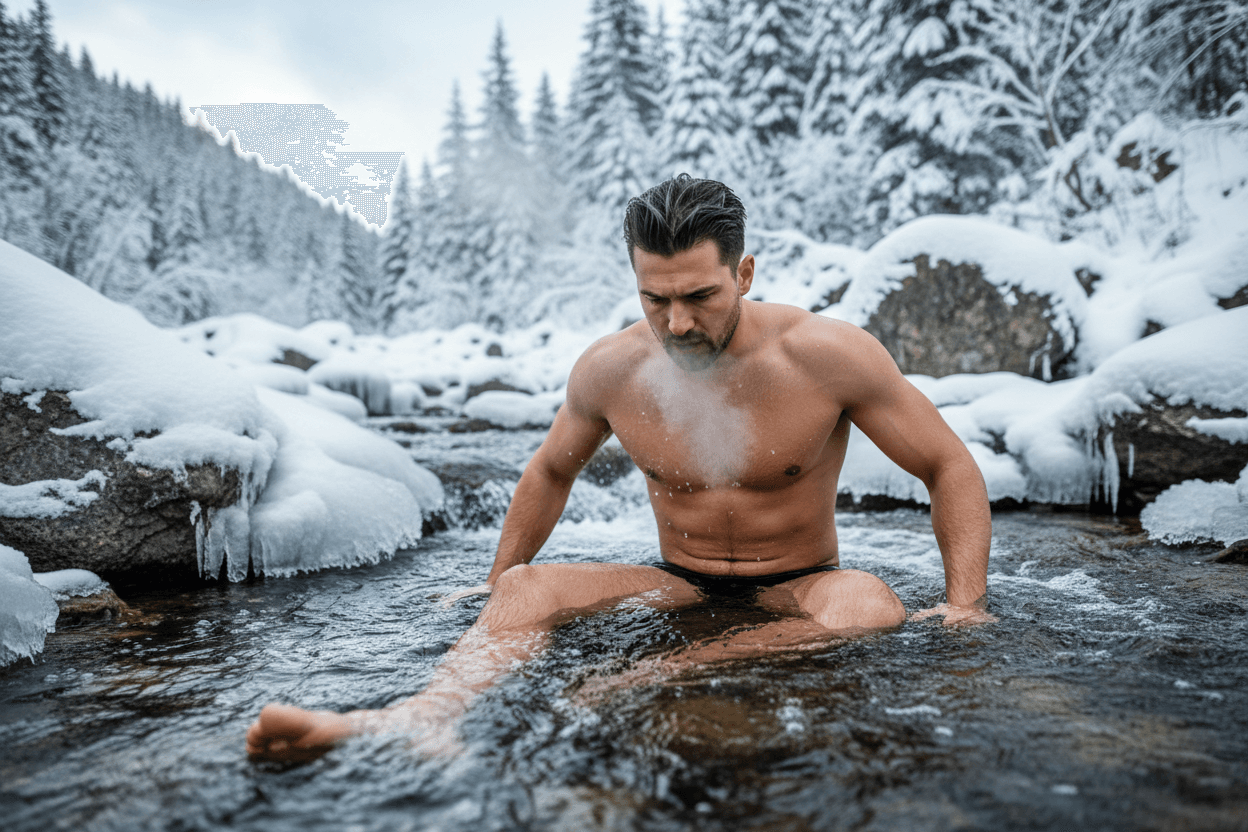
Ice baths reduce acute inflammation. If you immerse yourself in cold water right after an injury or a hard training session, swelling and soreness decrease. That is well documented. The question of how cold bathing affects chronic inflammation is more open - and more interesting.
Markers of Inflammation - What Research Measures
Researchers measure inflammation through blood biomarkers: CRP (C-reactive protein), interleukin-6, TNF-alpha, and other cytokines. Studies of regular cold bathers generally show lower levels of these markers compared with matched controls who do not bathe cold. That is promising, but causality is difficult to establish - people who bathe cold regularly often live more healthily in other ways too.
Cold and NF-kappaB - A Possible Mechanism
One of the more specific mechanisms being studied is cold's effect on NF-kappaB, a protein complex that acts as a central switch for inflammatory processes. Cold exposure seems able to inhibit NF-kappaB activation in certain tissues. That is a biologically plausible pathway for how cold bathing could reduce chronic low-grade inflammation over time.
When Cold Inhibits Healing
There is one important exception: with real injuries, such as muscle tears or fractures, the inflammatory response is a necessary part of healing. Aggressively cooling a fresh injury can delay recovery. Modern sports medicine guidelines have moved away from blanket recommendations of icing injuries and instead emphasize compression and movement. A cold bath is not the same as putting ice on a wound, but the principle is worth knowing.
Cold and inflammation are not enemies - they are parts of the same biological system. Regular cold bathing may help keep chronic inflammation in check. But using cold baths to suppress every sign of acute inflammation means working against the body rather than with it.