
Article
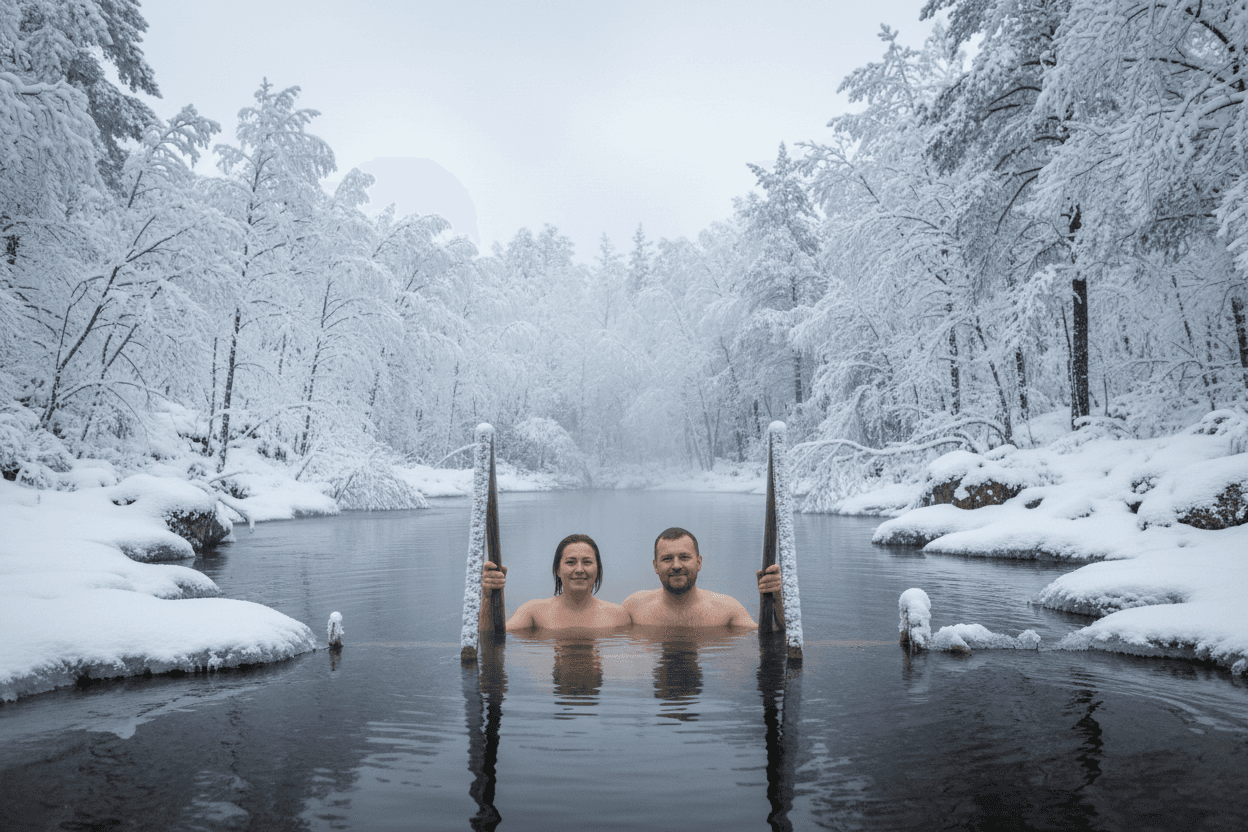
Safety in ice baths and cold bathing is crucial. Learn about the risks of hypothermia, drowning, and how to create safe routines for cold bathing.
Cold bathing is safe for most people - but it requires respect. Water temperatures below 15 degrees Celsius are physiologically challenging, and the risk of a fun tradition turning into a dangerous situation is real if you do not understand the mechanisms behind it.
Hypothermia - understand the risks
Hypothermia occurs when the body's core temperature drops below 35 degrees Celsius. It generally takes longer than most people realize - a healthy adult can survive relatively long in cold water, but the situation worsens quickly once it starts to go wrong. Early signs of hypothermia include intense shivering, clumsy hands, and impaired judgment. The last of these is the most dangerous: you may not notice that you are in trouble.
Time limits at different temperatures
In water around 0-5 degrees Celsius, cold incapacitation - loss of muscle control in the extremities - occurs within 3-10 minutes. Hypothermia can follow within 30 minutes. In 10-degree water, you have more time, but it is still limited. These numbers vary greatly depending on body fat, age, health status, and movement in the water.
Drowning risk - the underestimated danger
Cold water drowning is a real phenomenon. The cold shock response can cause hyperventilation and reduced ability to swim. Neuromuscular blockage from cold makes swimming difficult after only a couple of minutes, even if you are still conscious. Always bathe where you can get out easily - and never bathe alone unless you are in a controlled environment close to shore.
Safety routines that make a difference
Always tell someone where you are going to bathe. Have your towel and clothes ready by the water. Avoid alcohol before cold bathing - it creates a false sense of warmth and impairs the body's heat regulation. Bathe at known locations with good ways to get out. Learn to recognize the signs that you are getting too cold, and act before you have to.
Warming up after cold bathing
Avoid direct contact with extreme heat (hot shower, open fire) on the extremities immediately afterward. Blood flowing back from the extremities can cause a temporary after-drop - core temperature continues to fall for a while after you get out. Warm yourself from within through movement, and then through warm drinks and clothing.
Cold bathing is enriching, challenging, and safe for most people. But safety is not free - it requires knowledge, respect, and an honest assessment of yourself and the environment. With the right routines in place, the risk is minimal and the upside is substantial.